

12 Things Brits Would Find Surprisingly Different About Being a Pedestrian in America

Imagine moving from the UK to the US and discovering how different just taking a walk can be. From large car parks to sprawling roads, the experience can be quite a surprise for Brits used to their pedestrian-friendly streets. Let’s go through some of the things that might catch you off guard when you decide to go for a stroll in the States.
1. Some neighbourhoods don’t have pavements

In the UK, almost every residential area has pavements. However, in America, it’s not uncommon to find neighbourhoods where pavements are missing. This can make walking around feel a bit unsafe and certainly less convenient, as you might end up sharing the road with cars. It definitely takes some getting used to, and you’ll want to be extra cautious, especially in areas where drivers might not be expecting to see pedestrians.
2. A nearby shop can still be impractical to reach on foot
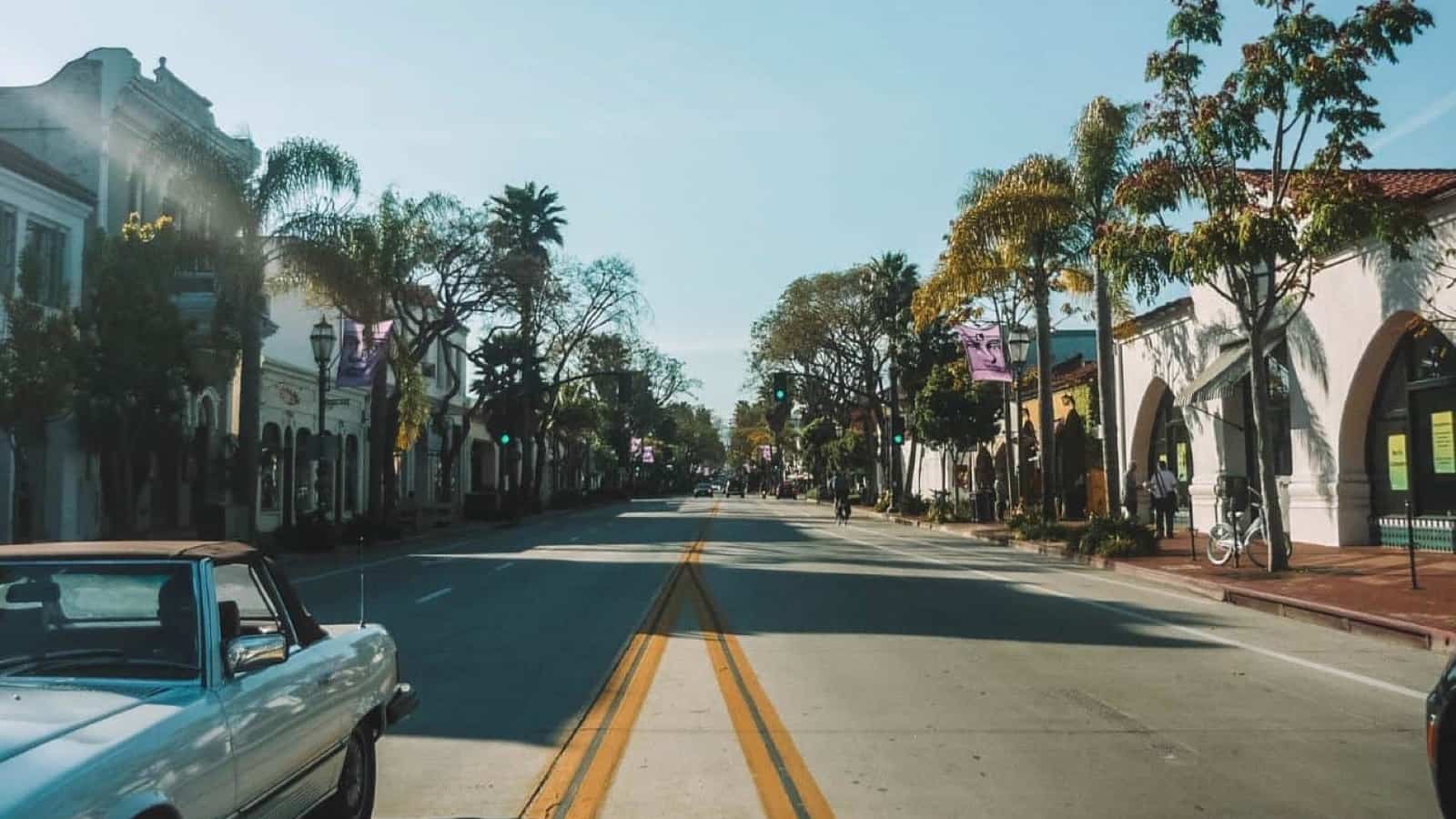
Even when a shop looks close on a map, actually walking there can be a different story. In many parts of the US, what seems nearby can still be quite a trek, thanks to large roads and the layout of commercial areas. Sometimes, the effort to navigate across busy intersections and vast parking lots can make a short trip feel daunting, leading many to just drive instead of walk.
3. Huge roads can be difficult to cross
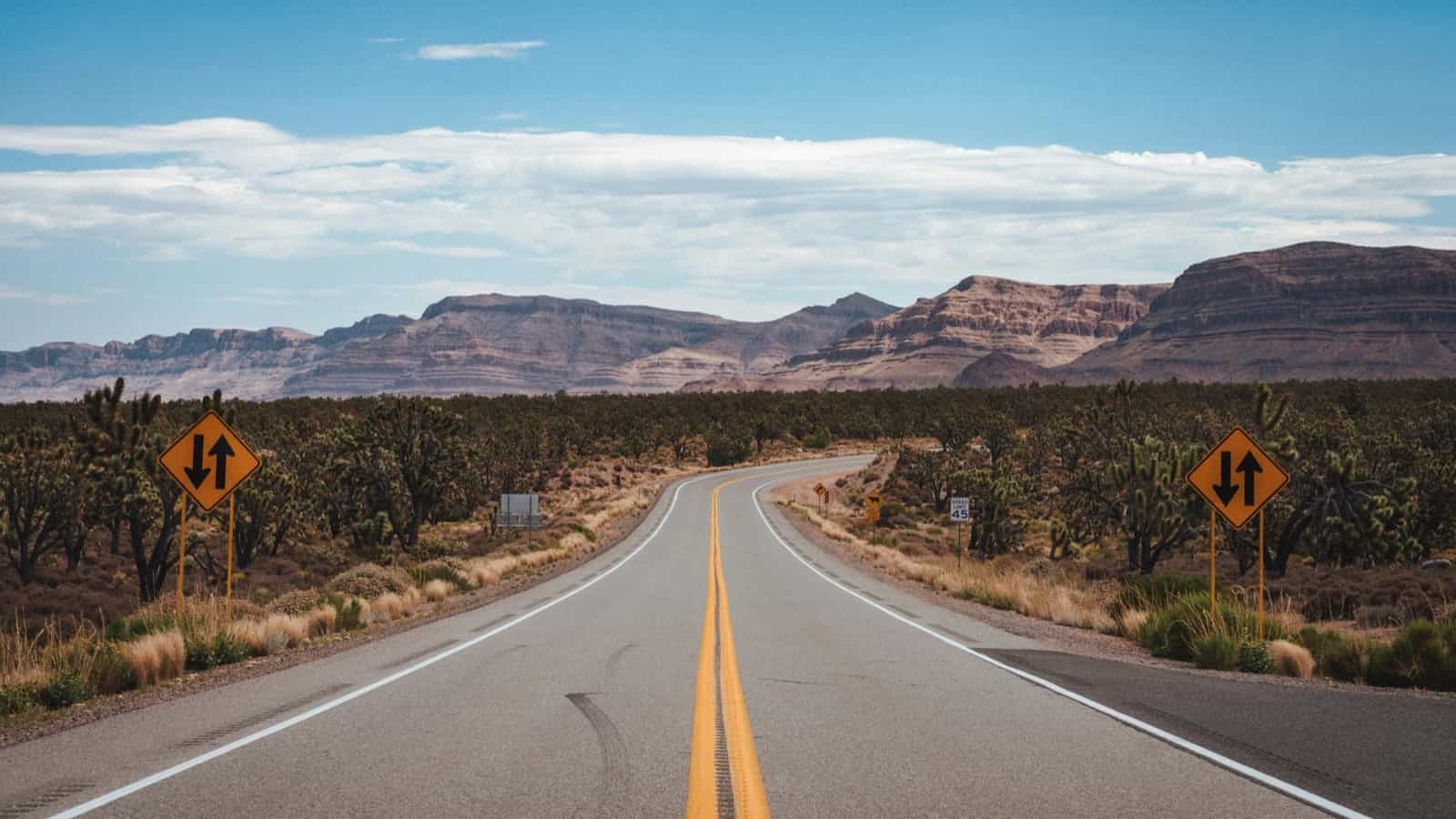
Walking across a massive, multi-lane road can be intimidating and sometimes hazardous. Unlike many UK roads designed with pedestrian safety in mind, some US roads can feel like they’re only meant for vehicles. Waiting for the lights to change, finding a pedestrian crossing, and then making the lengthy dash across can add real time to your journey.
4. Pedestrian crossings work differently
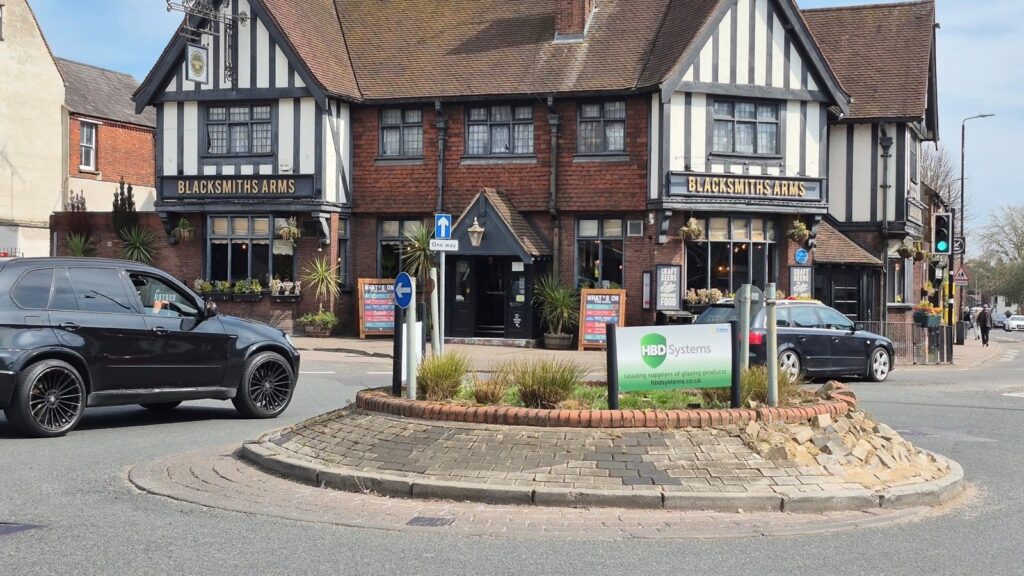
In the States, pedestrian crossings and the rules surrounding them can be quite different from what you’re used to in the UK. For instance, cars might not stop automatically at zebra crossings unless there are also lights. This means you need to be more vigilant and perhaps even a bit patient, making sure cars have stopped before you start walking across.
5. Car parks can be enormous

When you first see some of the car parks in the US, you might not believe how big they are. Walking from your car to a store entrance can sometimes feel like a hike in itself. This scale can be particularly noticeable in shopping malls and supermarkets, which are designed with plenty of space for cars but not always with pedestrians in mind.
6. Drivers may not expect pedestrians in some suburban areas

In many suburban parts of America, seeing pedestrians is not as common as it is in the UK. This can sometimes lead to drivers not being as aware of people walking, which means you need to be extra careful when making your way on foot, particularly in neighbourhoods without pavements or on streets with higher speed limits.
7. Distances can look short on a map but feel very different on foot

Because of the scale of many American cities and towns, what looks like a short distance on a map can turn out to be a lengthy walk. This is due to several factors, including the layout of roads, absence of direct pedestrian paths, and generally larger distances between places compared to the UK.
8. Crossing several lanes of traffic can take time
When you need to cross a road with multiple traffic lanes, it can be more time-consuming and trickier than expected. The time it takes to safely cross can really add up, especially during busy traffic periods. This is something to keep in mind when planning your walks, as crossing larger streets can disrupt your timing.
9. Some commercial areas are designed almost entirely around cars
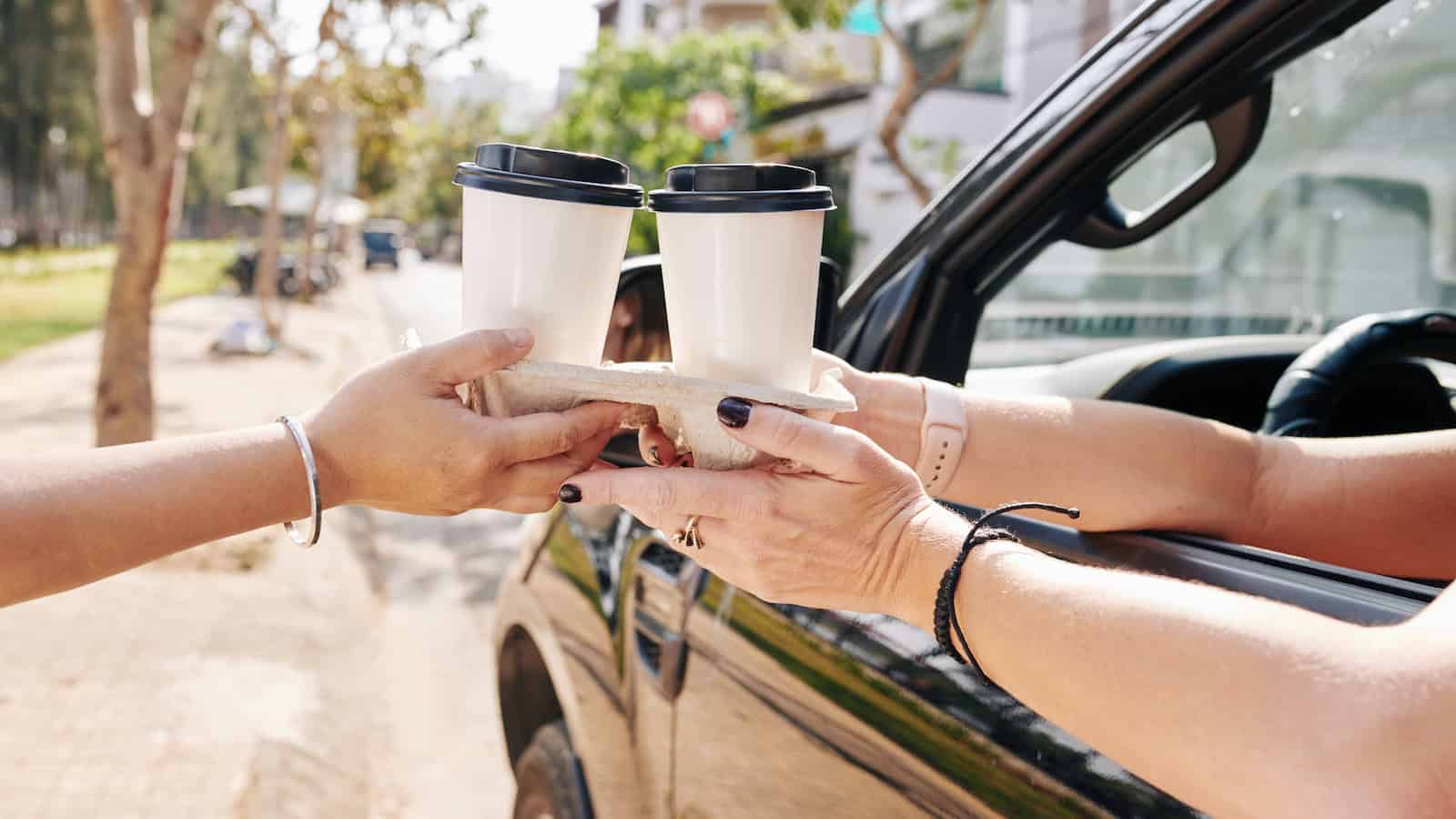
Many commercial areas in the US are designed with cars in mind, from drive-thrus to large distances between stores. This can make walking between places not only tiring but also somewhat impractical. This car-centric design influences how people choose to get around, often making driving the more sensible option.
10. Walking between neighbouring businesses can be surprisingly awkward

Even when businesses are next to each other, walking between them isn’t always straightforward. Parking lots, road layouts, and a general lack of pedestrian pathways can make what should be a short walk into a bit of a mission. It’s a stark contrast to the UK, where high streets and pedestrian zones make shopping on foot the norm.
11. Summer heat can make walking unrealistic in some regions

In regions with extreme summer temperatures, like the southern parts of the US, walking can become unrealistic. The intense heat not only makes it uncomfortable but can also pose health risks. This is a significant shift from the typically milder British summers, where walking remains pleasant throughout the year.
12. A 15-minute walk can sometimes be treated as unusual rather than convenient

In many parts of the US, opting to walk for 15 minutes to reach a destination can be seen as unusual. The car-centric culture and urban planning mean that many people prefer to drive even short distances. This perspective can be quite different for Brits, who might find a 15-minute walk not only normal but also enjoyable.

We are Mary and Eric, the founders of Be Right Back, a blog dedicated to romance around the globe and at home.
We are Mary and Eric, the founders of Be Right Back, a blog dedicated to romance around the globe and at home. With over 10 years of experience in dating and traveling to romantic places, we share our favorite date ideas and romantic destinations to help couples level up their relationships. Having lived in and traveled through the USA, we also share our favourite things to do in the States.
With 70,000 monthly readers and 16,000 followers on social media, Be Right Back is your go-to resource for romantic trip ideas and couple activities at home and abroad.