

12 Tiny Differences Between British and American Streets That People Rarely Notice

Have you ever walked down a street in the UK and then one in the USA and felt something was a bit different but couldn’t quite put your finger on it? It’s not just the accents or the side of the road people drive on; there are loads of small things that set British and American streets apart. From the way house numbers are displayed to the color of the trash bins, every little detail counts. Let’s have a look at some of these differences. Who knows, it might change the way you see those ordinary streets around you!
1. House Numbering

First up, let’s talk about how houses are numbered. In the UK, you might find that house numbers go up one side of the street with the odd numbers and down the other with the even. This can be super helpful if you’re trying to find a place without walking the entire length of the street. Over in the States, the numbering can be a bit more straightforward, with numbers typically increasing sequentially, no matter which side of the street you are on. So, depending on where you are, finding addresses might just be a tad easier or a small adventure!
2. Pavements

Sidewalks, or as the Brits call them, pavements, differ quite a bit too. British pavements tend to be narrower, especially in older or more historical areas. This means you might find yourself cozily brushing shoulders with passers-by. In contrast, American sidewalks are generally wider, giving you plenty of space to walk, jog, or even ride a bike. This difference isn’t just about space; it influences how people interact in these public spaces as well.
3. Lamp Posts
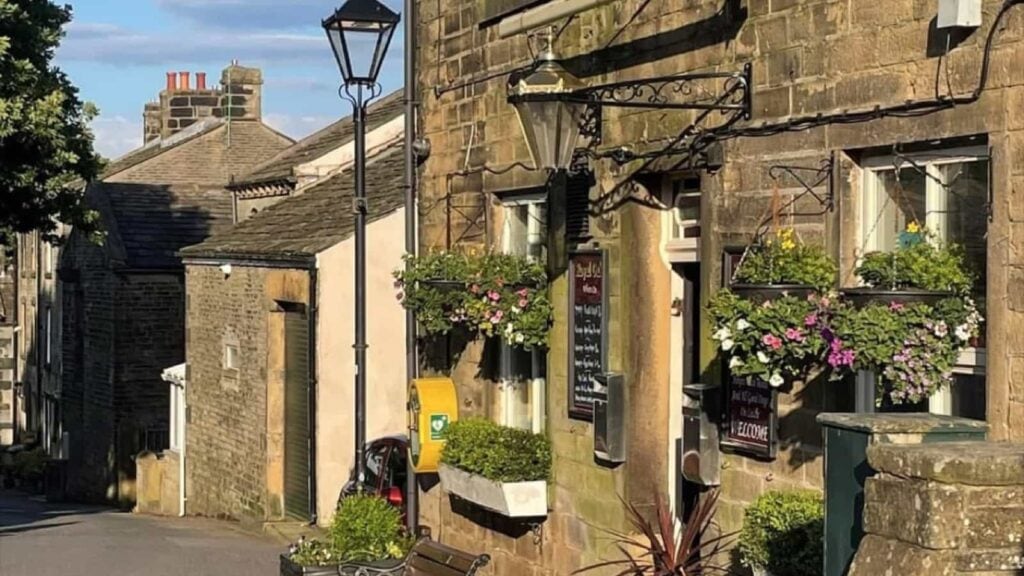
Lamp posts might just seem like a mundane part of street furniture, but they too tell a tale of two countries. British lamp posts often have a more old-world, classic design that fits into the historical landscapes many of its cities and towns boast. American lamp posts, especially in newer cities, lean towards modern, functional designs that match the contemporary aesthetic. Next time you’re out at night, take a look up and see what story the street lights are telling you.
4. Letterboxes

Letterboxes or mailboxes are another everyday sight with subtle differences. In many UK homes, the letterbox is a slot in the front door, meaning mail ends up right in your hallway. In the US, mailboxes are often found at the end of the driveway, standing alone, which can mean a little walk to get your mail but also adds a bit of character to the front yard. Both styles reflect the practical and aesthetic choices influenced by lifestyle and home design in each country.
5. Road Signs

When driving, you might notice that road signs are not just different in terms of the side of the road they’re on. British road signs are generally uniform, with a strong emphasis on shapes and symbols, following a strict code. American road signs vary more in style and can include more text alongside symbols. This means that understanding the ‘language’ of road signs can be part of getting to know the road rules in each country.
6. Bus Stops
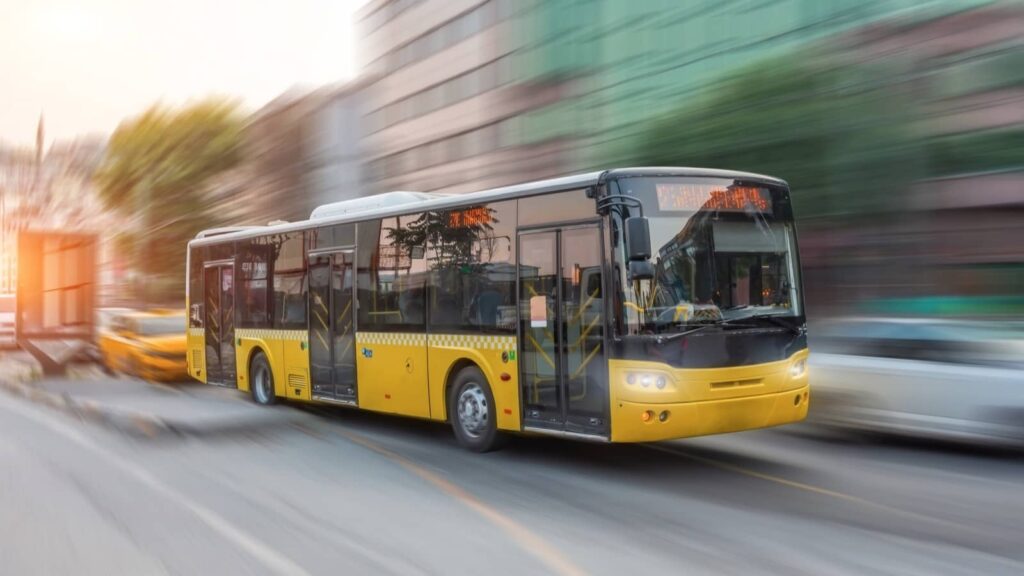
Bus stops also have their own local flavor. In the UK, bus stops often have a shelter with a detailed timetable and route map on display, very handy in a country known for rain! In the US, bus stops can be a bit more sparse, sometimes just a signpost on the road, depending especially on how rural or urban the area is. This difference underlines how public transport is approached and used in different urban planning contexts.
7. Garden Walls

Garden walls might not be something you think about a lot, but they definitely add to the street’s character. British homes often have high garden walls or thick hedges that provide privacy and a bit of greenery. In many parts of the US, especially in suburban areas, you’re more likely to see low or no front yard barriers, making neighborhoods feel more open and accessible. It’s amazing how these choices impact the look and feel of a place.
8. Traffic Lights
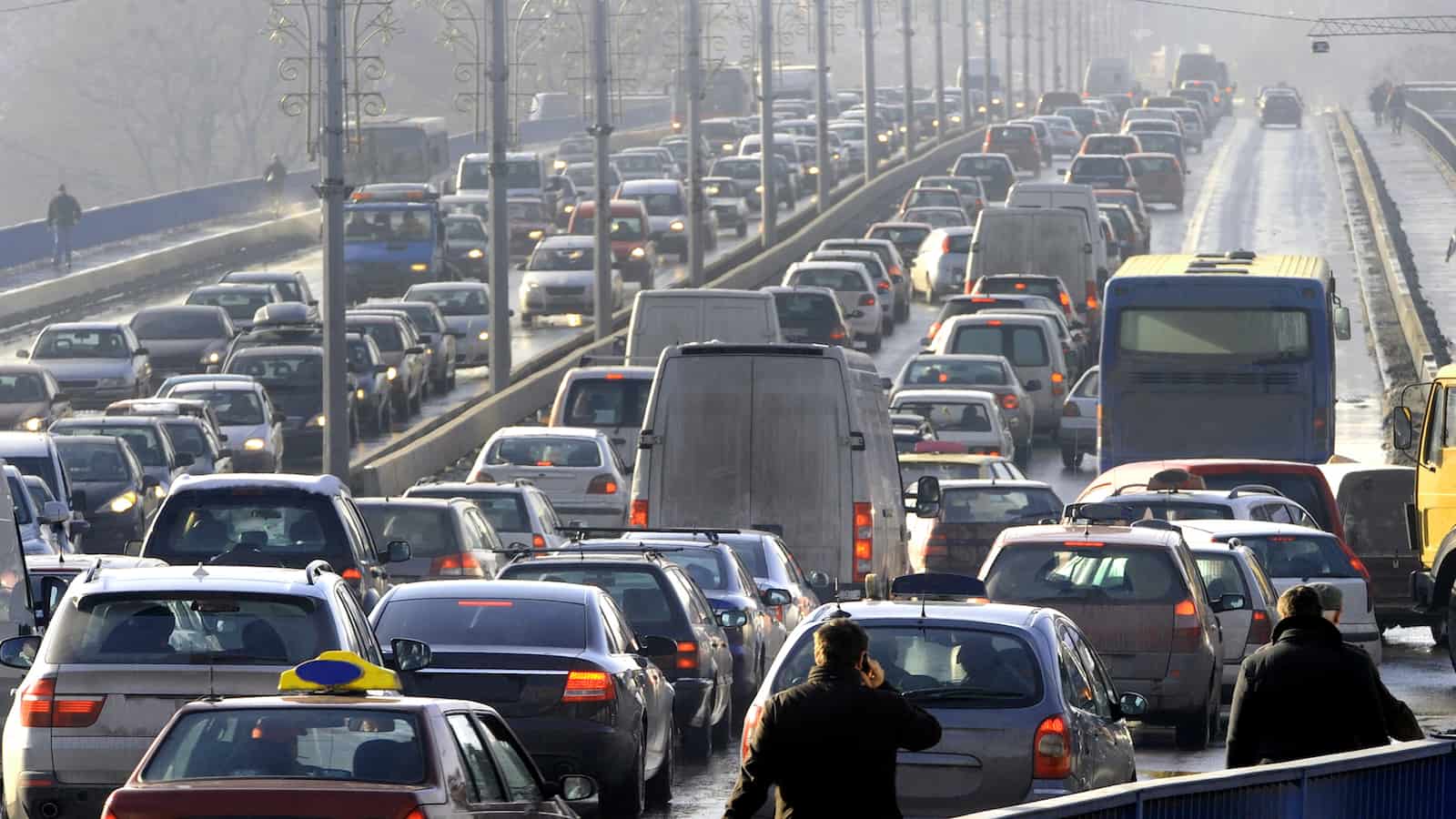
Traffic lights help keep our journeys safe, but did you know they look different in the UK compared to the US? British traffic lights go from red to red and amber before turning green, giving drivers a heads-up to get ready to go. In the US, it’s simply red to green. This small change can affect how drivers interact with traffic lights and how traffic flows, potentially making driving experiences a bit different.
9. Junction Layouts
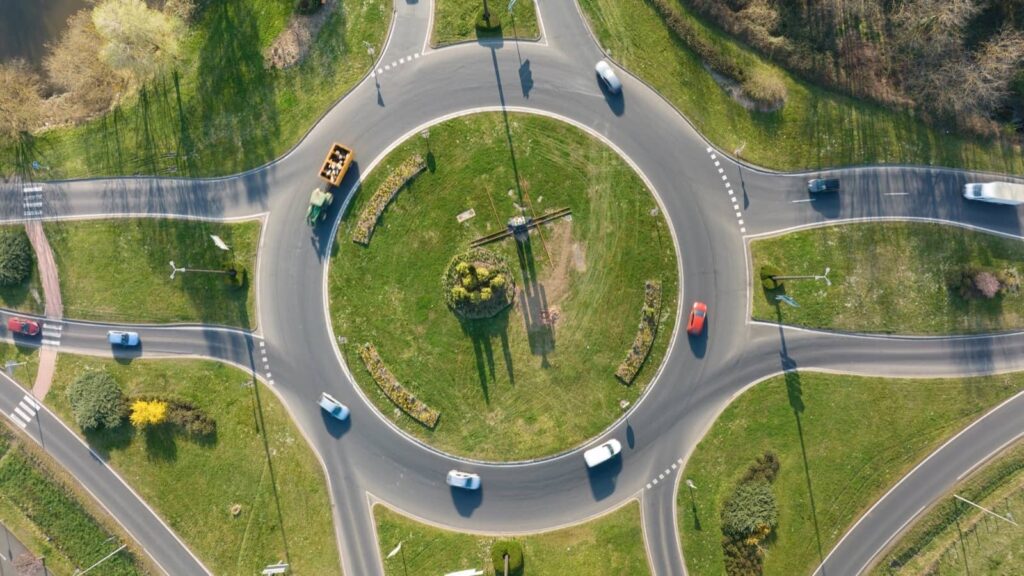
Junctions, or intersections as they’re often called in the US, play a crucial role in traffic management. In the UK, you might come across more roundabouts used to keep traffic moving smoothly without the stop-start nature of traffic lights. The US favors a more grid-like layout with stop signs and traffic lights managing the flow. Each style has its own rhythm and knowing how to navigate them efficiently is a part of driving in each country.
10. Road Markings

Road markings provide essential information on the road. In the UK, road markings are quite detailed with lots of specific rules about parking and lane usage marked directly on the road. US road markings tend to be a bit simpler, focusing more on lane division and less on text. Whether you’re driving or cycling, these markings guide your way and keep roads orderly.
11. Public Bins

Even public bins have their own local twist. In the UK, public bins are often separated into recycling and waste right on the street, encouraging public responsibility for waste separation. In the US, this is less common, and you might find single bins for all types of waste more frequently. This reflects different approaches to public waste management and environmental policies.
12. Trees and Green Spaces

Last but definitely not least, let’s talk about greenery. British streets are often lined with older, mature trees and there are many small public parks and green spaces. In the US, newer developments especially might not have mature trees, and larger parks can be more spread out rather than integrated into every neighborhood. These green touches make streets more pleasant and are essential for the well-being of city dwellers.

We are Mary and Eric, the founders of Be Right Back, a blog dedicated to romance around the globe and at home.
We are Mary and Eric, the founders of Be Right Back, a blog dedicated to romance around the globe and at home. With over 10 years of experience in dating and traveling to romantic places, we share our favorite date ideas and romantic destinations to help couples level up their relationships. Having lived in and traveled through the USA, we also share our favourite things to do in the States.
With 70,000 monthly readers and 16,000 followers on social media, Be Right Back is your go-to resource for romantic trip ideas and couple activities at home and abroad.