

Understanding Travel Insurance: Common Mistakes UK Tourists Make

Travel insurance can be a lifesaver when you’re far from home, but it’s easy to get things wrong if you’re not careful. Many UK tourists find themselves in tricky situations just because they misunderstood what their policy covers or didn’t read the fine print. Here’s a look at some common mistakes that you might want to avoid to make sure your trip is as smooth as possible.
1. Assuming all medical treatment is fully covered without checking limits

It’s easy to assume that your travel insurance automatically covers all medical costs, but that’s not always the case. Many policies have specific limits and caps for different types of treatments and medical services. It’s important to check these details before you travel. This way, you won’t be caught off guard by huge bills if you need medical care abroad. Always read the limits of what the insurance will cover, and consider paying a little extra if you think you’ll need a higher coverage limit based on where you’re going and what you’ll be doing.
2. Not declaring pre-existing conditions

If you have ongoing health issues, it’s vital to declare these when buying travel insurance. Failing to do so can invalidate your policy if you need treatment for that condition while you’re away. Always be upfront about your health; it might increase the cost of your insurance, but it will save you a lot of stress and money if you need to use it while traveling.
3. Waiting too long to contact the insurer after getting sick

Sometimes when we get sick, we just try to push through and hope we’ll feel better soon. But when it comes to travel insurance, prompt communication is key. If you wait too long to report an illness or incident, your insurer might not cover your medical expenses. It’s usually a good idea to contact them as soon as you realize you need medical help, so they can guide you on the steps to take to ensure coverage.
4. Thinking a GHIC card replaces full insurance
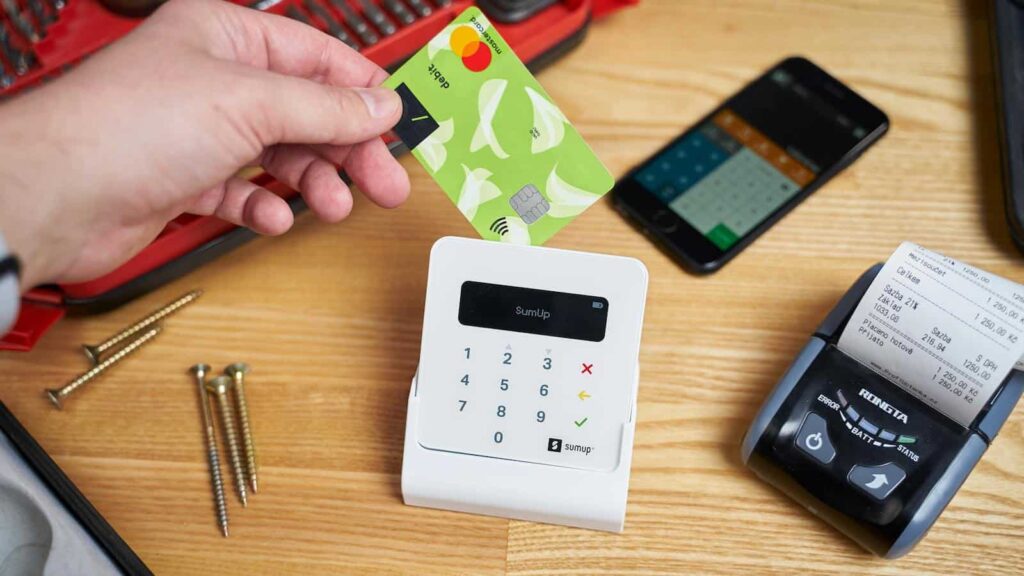
A GHIC (Global Health Insurance Card) is great for accessing state healthcare in Europe at a reduced cost or sometimes free. However, it’s not a substitute for travel insurance. It won’t cover things like private healthcare, being flown back home if you’re seriously ill, or lost or stolen property. Make sure you have both your GHIC and a comprehensive travel insurance policy.
5. Not checking excess fees on claims

Excess fees are what you pay out of pocket before your insurance covers the rest. Not knowing how much your excess is can lead to surprises when you make a claim. Always check these fees because they can vary widely depending on the policy. Knowing what your excess is can help you decide if a policy is right for you.
6. Assuming cancellations are covered for any reason

Many travelers believe that travel insurance automatically covers any trip cancellation, but that’s often not the case. Usually, cancellations are only covered for reasons listed in the policy like illness, bereavement or major natural events. If you cancel your trip for a reason not covered, you might not get your money back. Always read what reasons are covered before assuming you’re protected against all cancellations.
7. Ignoring activity exclusions
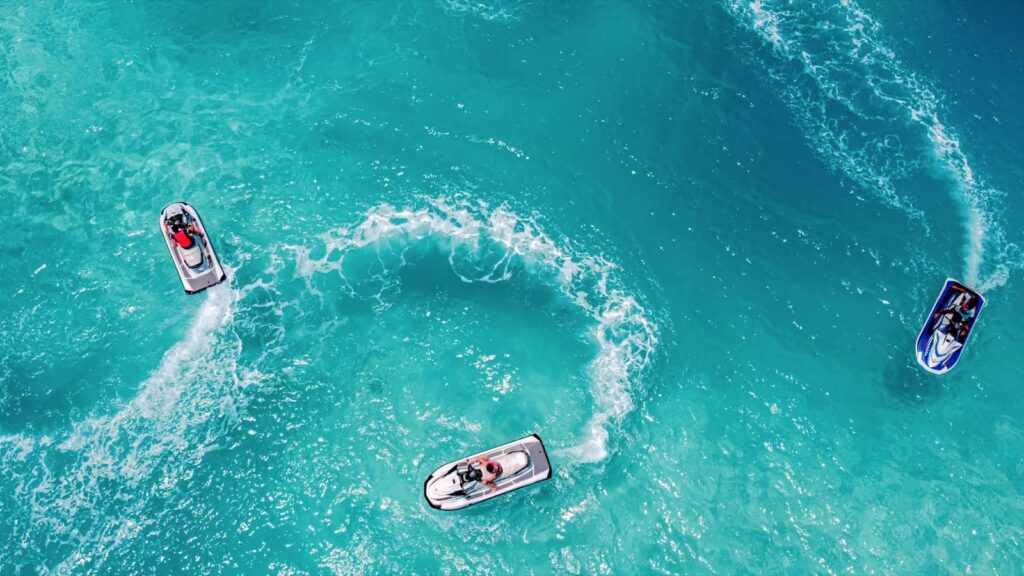
Thrill-seekers beware! Activities like skiing, diving, or bungee jumping may not be covered under standard insurance policies. These are often considered high-risk activities and might require additional coverage. Don’t assume you’re covered; check your policy to see if you need to get additional insurance based on your planned activities.
8. Not keeping receipts or medical reports
If you end up needing to claim on your travel insurance, having detailed receipts and medical reports is crucial. These documents are necessary to prove your expenses and the nature of your illness or injury. Always keep a detailed record of any medical treatments, medications purchased, and even receipts of payments made related to your health while you’re away.
9. Buying the cheapest policy without reading details

It’s tempting to go for the cheapest travel insurance option available, but this might not offer you the coverage you need. Cheap plans often have higher excesses and less comprehensive coverage. It’s worth paying a bit more for a policy that covers what you actually need. Always read the fine print and compare what different policies offer before making a decision.
10. Not checking coverage for travel delays or disruptions
Travel delays and disruptions can add unexpected costs to your trip, like extra nights in hotels or new flight bookings. Not all insurance policies cover these situations, so check yours carefully. Knowing whether you’re covered for delays can help you manage your budget and stress levels if your travel plans are disrupted.

We are Mary and Eric, the founders of Be Right Back, a blog dedicated to romance around the globe and at home.
We are Mary and Eric, the founders of Be Right Back, a blog dedicated to romance around the globe and at home. With over 10 years of experience in dating and traveling to romantic places, we share our favorite date ideas and romantic destinations to help couples level up their relationships. Having lived in and traveled through the USA, we also share our favourite things to do in the States.
With 70,000 monthly readers and 16,000 followers on social media, Be Right Back is your go-to resource for romantic trip ideas and couple activities at home and abroad.